Tillage once seemed essential: the plow buried residue, warmed soil and killed weeds. It also left soil bare, broke up aggregates and sent organic matter into the air as carbon dioxide. The Dust Bowl was an early lesson. Modern no-till and reduced tillage systems keep residue on the surface and disturb soil as little as possible, supported by better planters, herbicide programs, cover crops and rotation.
The tillage spectrum
Tillage is a range, not a switch.
- Conventional tillage uses moldboard plowing or heavy disking, leaving little residue.
- Reduced or conservation tillage leaves at least about 30 percent of the surface covered with residue after planting, using chisel plows, field cultivators or similar tools.
- Strip-till disturbs a narrow band where seed will go and leaves the rest undisturbed.
- No-till plants directly into residue without tillage, using a planter or drill that cuts through trash and opens a narrow seed slot.
Each step along the spectrum reduces erosion, saves time and fuel and increases residue.
Benefits
Erosion control. Residue protects against raindrop impact and slows runoff. NRCS and conservation districts have long promoted residue management as a core erosion tool. See erosion control.
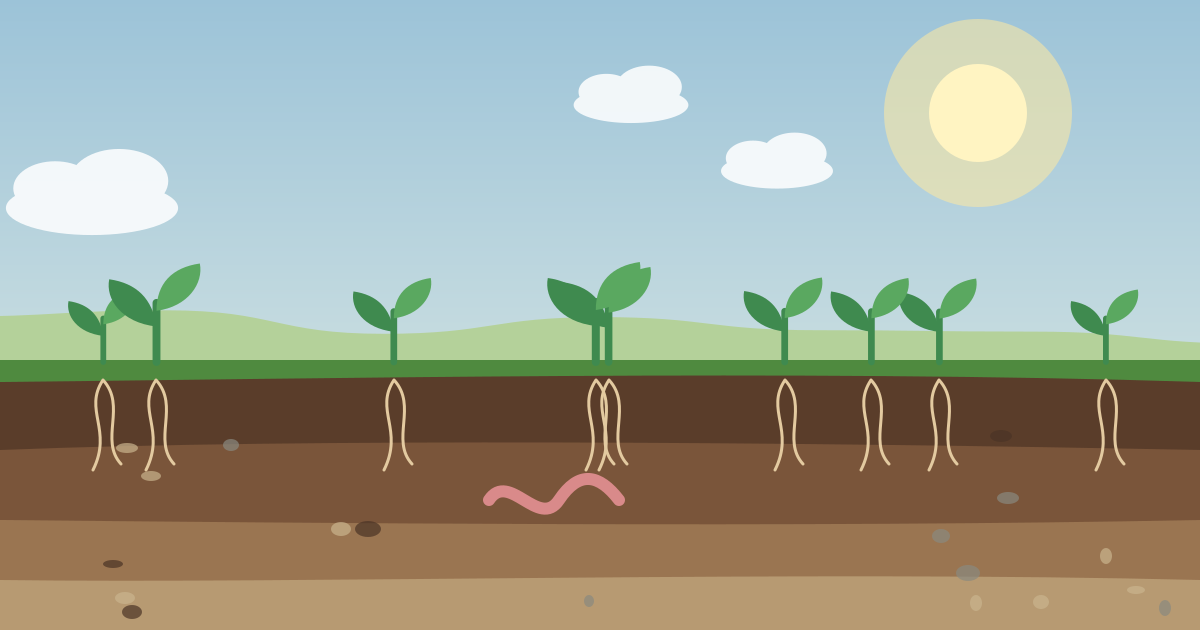
Soil structure and biology. Without regular disturbance, aggregates form, fungal networks develop and earthworm channels persist, improving infiltration and water holding capacity.
Moisture conservation. Residue reduces evaporation, which helps in dry regions and dry spells.
Fuel, labor and machinery savings. Fewer passes mean less diesel, fewer hours and less wear. For many farms this is the main economic benefit.
Timeliness. Skipping tillage can let farmers plant sooner after rain, though cold, wet soils under heavy residue may warm slowly.
Trade-offs and risks
An honest view includes the downsides.
- Slower spring warming under thick residue, especially in cold, wet regions, can delay emergence.
- Weed control relies more on herbicides, cover crops or mowing, and herbicide-resistant weeds are a growing problem.
- Disease and pest carryover in residue can be higher in some crop sequences.
- Compaction can persist without tillage, especially if equipment runs on wet soil. Tillage can mask compaction temporarily, but it does not cure its cause.
- Equipment cost. No-till planters and drills are specialized, though used equipment, custom hire and cost-share can help.
- Learning curve. Expect a few rough years.
Yields under no-till are often similar to tilled systems in well-drained soils and can be lower in poorly drained, cold soils or in continuous corn. Local research from land-grant universities is the best guide.
Making the transition
A staged approach cuts risk.
- Start on your best-drained fields, not the problem ones.
- Choose a crop that tolerates the change. Soybeans into corn stalks is a common starting point. Small grains and forages often work well.
- Fix drainage and compaction first. Address wet spots and traffic patterns.
- Set up the planter correctly. Row cleaners, closing wheels and down pressure matter for seed placement in residue. Test and adjust.
- Plan weed control. Start clean with an effective burndown or early cultivation, then use preemergence residual programs, crop rotation and cover crops. See weed management without herbicides for non-chemical options.
- Manage residue evenly. Chopper heads and spreaders on the combine help.
- Add a cover crop when you are comfortable. See cover cropping.
- Keep records and compare with tilled strips.
Strip-till as a middle path
Strip-till warms and dries the seedbed in the row and leaves residue between rows. It is popular for corn in cool regions and for vegetables. It also allows precise placement of fertilizer in the strip, which can raise nutrient use efficiency; see 4R nutrient stewardship.
Organic and low-herbicide systems
Organic farmers cannot use synthetic herbicides, so tillage has remained a key weed tool. Researchers have developed rotational no-till systems that use cover crops terminated with rollers or crimpers, and the Rodale Institute has promoted these. Success depends on cover crop biomass, weather and timing. Expect more management intensity and some yield risk. See SARE's Steel in the Field for cultivation tools in low-herbicide systems.
Nitrogen, fertility and soil testing
No-till can alter nitrogen dynamics. Surface residues tie up nitrogen, and surface-applied urea can volatilize without rain. Adjust placement and timing, and see the nutrient management planning guide. In long-term no-till, nutrients and acidity can stratify near the surface, so sample at consistent depths and consider deeper samples. The soil testing guide covers sampling.
Equipment
Key components for no-till planting include:
- Coulters or row cleaners to move residue.
- Openers suited to your soils and residue.
- Adequate weight and down pressure.
- Closing wheels that close the seed slot without sidewall compaction.
- GPS guidance to reduce overlap and support controlled traffic.
Used equipment markets, custom operators and equipment-sharing groups can lower the entry cost. Talk with farmers using the same soil types.
Programs and help
NRCS conservation practice standards include residue and tillage management practices, and EQIP and CSP can support them in many states. State no-till associations and extension programs often run field days and planter clinics, and each state directory page links to extension and conservation district contacts who can direct you. Visit your local USDA Service Center via the locator.
Bottom line
Reduced tillage and no-till save soil, fuel and time when managed carefully. Start with the right fields, set up equipment, plan weed control and consider cover crops and rotation as partners. Expect a learning period, and use local trials, neighbors and NRCS staff to shorten it.
Frequently asked questions
What is the difference between no-till and strip-till?
No-till disturbs soil only in the seed slot. Strip-till loosens a narrow band for the row and leaves the rest undisturbed.
Does no-till reduce yields?
Often not on well-drained soils, but yields can lag on cold, poorly drained soils or in continuous corn. Local research and your own strips are the best guide.
How can organic farms use reduced tillage?
Some use cover crops terminated with rollers or crimpers, but weed control is demanding and requires management and favorable conditions.
Is cost-share available for conservation tillage?
Many states offer NRCS support for residue and tillage management practices through EQIP or CSP, subject to local priorities.