Sustainable Livestock Systems
Rotational Grazing
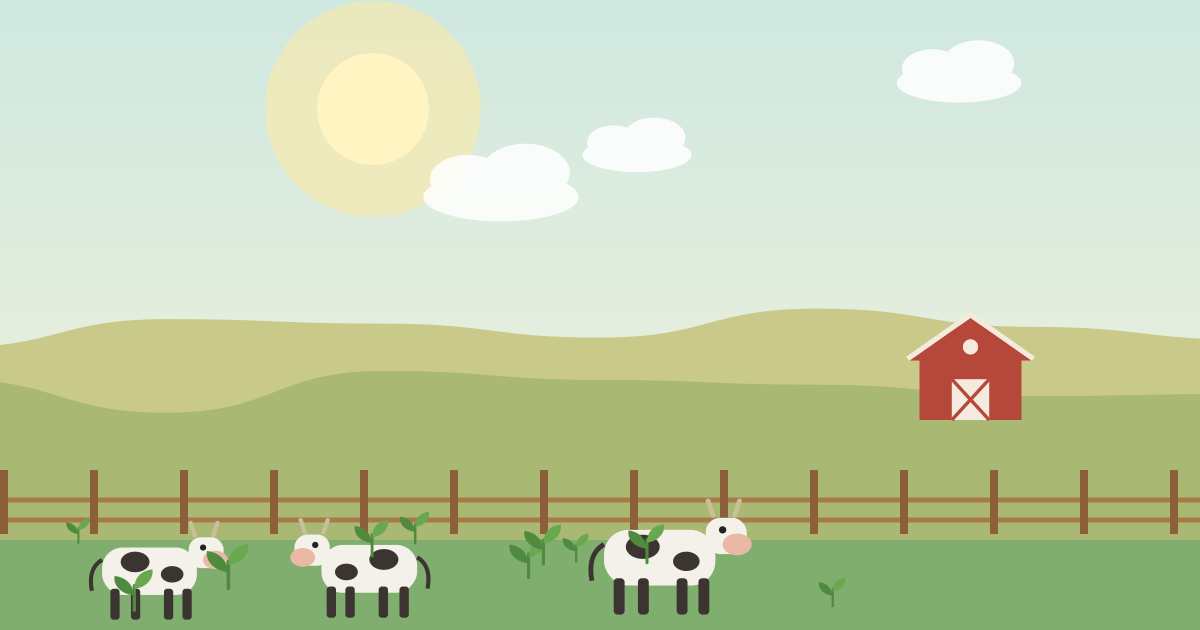
How to set up rotational grazing with paddocks, fencing, water and rest periods to grow more forage, improve soil and pasture health, cut feed costs and protect streams.
Louisiana agriculture centers on sugarcane, rice, soybeans, cotton, crawfish and timber across the Mississippi River delta and coastal plain. Flooding, nutrient and sediment loss, coastal land loss and hurricane recovery are everyday planning issues, and the LSU and Southern University ag centers provide the extension backbone.
These are the federal offices and programs that apply directly to Louisiana. Offices are usually co-located in county USDA Service Centers.
Conservation planning, EQIP and CSP signup, soil survey and technical standards for farmers and ranchers.
Farm loans, Conservation Reserve Program, disaster programs and farm records.
SARE grants awarded here, state coordinators and local project highlights.
Farmland protection, farm transfer and land access laws and programs.
LDAF supports agribusiness, farming, and forestry. Provides resources on animal and livestock health, land and fire management, burn bans, soil and water conservation for businesses and the community.
University or extension resource for research-based farm and ranch information.
Empowering future leaders in agriculture through hands-on education, innovative research, and community-focused extension programs.
Conservation district or state conservation body for local technical help and cost-share.
The Louisiana Farm Bureau Federation is the state’s largest general farm organization representing farmers, ranchers and rural residents.
The voice of Louisiana’s wildlife and natural resources since 1940.
LTL Land Conservation: Join us in protecting Louisiana’s land and waters for generations to come. Act now to protect Louisiana’s legacy forever.
Programs that operate in every state. Signup periods and payment rates vary by state, so ask your local NRCS or FSA office.
Enter your county to find the NRCS, FSA and Rural Development staff who handle farm programs in person.
NRCS cost-share and technical help for conservation practices such as cover crops, nutrient plans and grazing systems.
Payments for maintaining existing conservation and adding new practices across a whole operation.
Federal help to keep farmland in agriculture and to restore and protect wetlands on working land.
Partnership projects in which local organizations and NRCS combine funding for conservation in a defined area.
The technical standards behind every NRCS-supported practice, from buffers to prescribed grazing.
Annual rental payments to take environmentally sensitive land out of production and keep it in cover.
Competitive grants for farmers, ranchers, researchers and educators working on sustainable practices.
Free books, bulletins and videos on cover crops, soil health, marketing and more.
The National Center for Appropriate Technology's free publications and farmer helpline for sustainable production.
A curated gateway to research, bibliographies and education materials.
USDA programs for new producers: loans, land access, conservation and insurance.
Search certified organic operations and certifiers in the USDA directory.
Standards, certification basics and transition information.
Search farmers markets by location and product.
Find community supported agriculture farms near you.
Regional food hubs that aggregate and distribute local products.
Federal grant programs for local food, specialty crops and market development.
Crop insurance information, including coverage for diversified and organic operations.
Regional climate adaptation tools and farmer-facing research.
Federal policy tracking and farm bill analysis from a grassroots coalition.
Farm access and transfer resources for land seekers and landowners.
Support for family farmers, including a hotline and a directory of service organizations.
State crop, livestock and economic reports and the NASS field office.
The weekly U.S. Drought Monitor map for this state.
Map your fields and read soil properties, drainage class and limitations.
County-level farm numbers, acreage, practices and demographics.
Current conditions, forecasts and planning tools.
Daily and weekly prices for grains, livestock, produce and organic products.
Estimate greenhouse gas and carbon effects of management practices.
Environmental rules, compliance help and water quality information for farms.
Streamflow, groundwater and water quality monitoring data.
Economic research on conservation, technology adoption and farm finances.
How to set up rotational grazing with paddocks, fencing, water and rest periods to grow more forage, improve soil and pasture health, cut feed costs and protect streams.
Store, test, apply and credit manure to build soil and cut fertilizer costs while protecting water, covering storage, timing, setbacks, application methods and records.
Practical erosion control for farms: residue, cover, contour and terrace systems, waterways and buffers, plus how to spot problems and get NRCS help paying for fixes.
Raise poultry sustainably on pasture or in efficient housing: breeds, feed, litter, biosecurity, predator protection, welfare standards and selling eggs and meat.
How to choose cover crop species, seed them, terminate them and fit them into your rotation, with costs, common mistakes and cost-share options explained.
How to design, establish and manage silvopasture, from thinning woodlots to planting trees in pasture, with livestock safety, forage and income considerations.
A practical guide to the NRCS Environmental Quality Incentives Program: what it pays for, who qualifies, how ranking works, application steps, contracts and mistakes.
How to plant and manage flowering habitat for bees and other pollinators on field edges, buffers and idle land, with plant selection, pesticide protection and funding.
Start with your county USDA Service Center for NRCS conservation planning and FSA programs, then contact the Louisiana extension service and your local conservation district. The listings on this page link directly to each.
The federal EQIP and CSP programs operate here through NRCS, and many states add their own cost-share through conservation districts or agriculture departments. Check the state government and conservation district sections above and confirm current signup dates.
No. Listings are selected for relevance and link to each organization's own site. Check eligibility, fees, dates and references before you apply, hire or sign anything.
Use these names when you search a conservation district or extension office locator. This is a lookup aid, not a list of listings.