Water Conservation and Quality
Irrigation Efficiency on the Farm
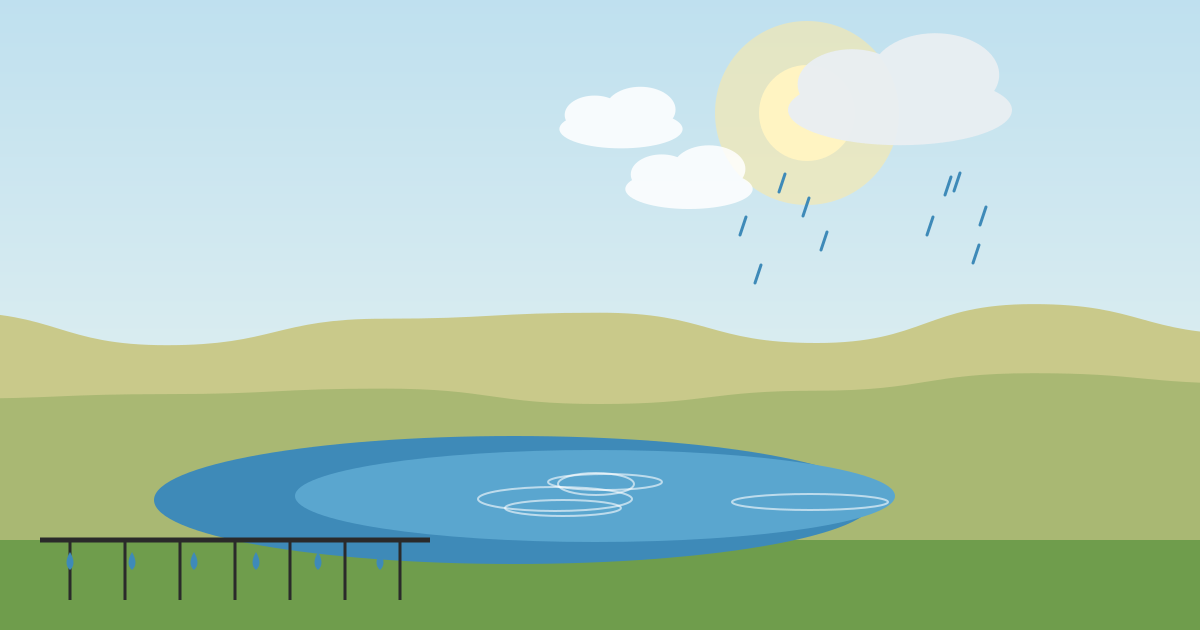
Practical ways to cut irrigation water and energy use: system audits, scheduling, soil moisture sensors, nozzle and emitter upgrades, and programs that help pay for them.
Oregon grows nursery stock, grass seed, hazelnuts, berries, wine grapes and tree fruit in the Willamette Valley, with irrigated crops and cattle ranching east of the Cascades. Oregon Tilth, one of the oldest organic certifiers and educators in the country, and conservation districts across the state support practice change.
These are the federal offices and programs that apply directly to Oregon. Offices are usually co-located in county USDA Service Centers.
Conservation planning, EQIP and CSP signup, soil survey and technical standards for farmers and ranchers.
Farm loans, Conservation Reserve Program, disaster programs and farm records.
SARE grants awarded here, state coordinators and local project highlights.
Farmland protection, farm transfer and land access laws and programs.
Oregon Department of Agriculture works to safeguard Oregon’s agriculture, natural resources, working lands, economies and communities through assistance, compliance, and market support
University or extension resource for research-based farm and ranch information.
Conservation district or state conservation body for local technical help and cost-share.
Oregon Tilth is a leading certifier, educator and advocate for organic agriculture and products since 1974
Organization serving farmers, ranchers and rural communities in Oregon.
Organization serving farmers, ranchers and rural communities in Oregon.
Organization serving farmers, ranchers and rural communities in Oregon.
Oregon Department of Agriculture works to safeguard Oregon’s agriculture, natural resources, working lands, economies and communities through assistance, compliance, and market support
Ecotrust works at the intersection of equity, the economy, and the environment in the pursuit of transformative change.
Local food, market or farm-to-table resource.
Programs that operate in every state. Signup periods and payment rates vary by state, so ask your local NRCS or FSA office.
Enter your county to find the NRCS, FSA and Rural Development staff who handle farm programs in person.
NRCS cost-share and technical help for conservation practices such as cover crops, nutrient plans and grazing systems.
Payments for maintaining existing conservation and adding new practices across a whole operation.
Federal help to keep farmland in agriculture and to restore and protect wetlands on working land.
Partnership projects in which local organizations and NRCS combine funding for conservation in a defined area.
The technical standards behind every NRCS-supported practice, from buffers to prescribed grazing.
Annual rental payments to take environmentally sensitive land out of production and keep it in cover.
Competitive grants for farmers, ranchers, researchers and educators working on sustainable practices.
Free books, bulletins and videos on cover crops, soil health, marketing and more.
The National Center for Appropriate Technology's free publications and farmer helpline for sustainable production.
A curated gateway to research, bibliographies and education materials.
USDA programs for new producers: loans, land access, conservation and insurance.
Search certified organic operations and certifiers in the USDA directory.
Standards, certification basics and transition information.
Search farmers markets by location and product.
Find community supported agriculture farms near you.
Regional food hubs that aggregate and distribute local products.
Federal grant programs for local food, specialty crops and market development.
Crop insurance information, including coverage for diversified and organic operations.
Regional climate adaptation tools and farmer-facing research.
Federal policy tracking and farm bill analysis from a grassroots coalition.
Farm access and transfer resources for land seekers and landowners.
Support for family farmers, including a hotline and a directory of service organizations.
State crop, livestock and economic reports and the NASS field office.
The weekly U.S. Drought Monitor map for this state.
Map your fields and read soil properties, drainage class and limitations.
County-level farm numbers, acreage, practices and demographics.
Current conditions, forecasts and planning tools.
Daily and weekly prices for grains, livestock, produce and organic products.
Estimate greenhouse gas and carbon effects of management practices.
Environmental rules, compliance help and water quality information for farms.
Streamflow, groundwater and water quality monitoring data.
Economic research on conservation, technology adoption and farm finances.
Practical ways to cut irrigation water and energy use: system audits, scheduling, soil moisture sensors, nozzle and emitter upgrades, and programs that help pay for them.
A plain-language primer on riparian and prior appropriation water rights, permits and wells, and what to confirm before buying land or investing in water.
Five soil health principles and the practices behind them, from cover crops and no-till to diverse rotations, with tips on testing, costs and getting NRCS help.
Learn the five agroforestry practices, alley cropping, silvopasture, forest farming, riparian buffers and windbreaks, and how to plan, fund and manage them on your farm.
Practical adaptation for heavier rain, longer droughts, heat and shifting seasons: soil, water, crop and livestock strategies, risk tools and where to find regional help.
How NRCS CSP rewards farmers who already conserve: eligibility, enhancements, ranking, payments, contract length, renewal and tips for applying.
How to plant and manage flowering habitat for bees and other pollinators on field edges, buffers and idle land, with plant selection, pesticide protection and funding.
What food hubs do, how they aggregate and distribute local food, how farmers can sell through them, what buyers expect, and how hubs are funded, structured and measured.
Start with your county USDA Service Center for NRCS conservation planning and FSA programs, then contact the Oregon extension service and your local conservation district. The listings on this page link directly to each.
The federal EQIP and CSP programs operate here through NRCS, and many states add their own cost-share through conservation districts or agriculture departments. Check the state government and conservation district sections above and confirm current signup dates.
No. Listings are selected for relevance and link to each organization's own site. Check eligibility, fees, dates and references before you apply, hire or sign anything.
Use these names when you search a conservation district or extension office locator. This is a lookup aid, not a list of listings.